
How to Plan Balanced Meals Without Stress for Everyday Life
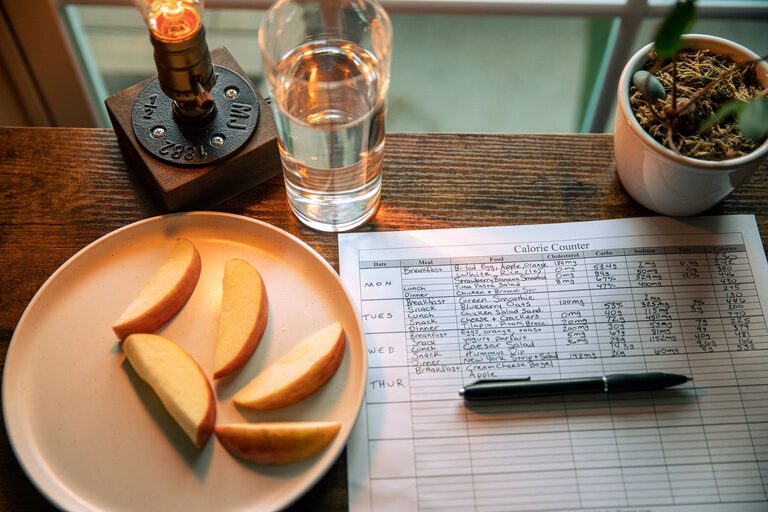
Planning balanced meals doesn’t have to be overwhelming. With a few thoughtful strategies, you can create nutritious, satisfying meals that support your health without turning mealtime into a stressful chore. Whether you’re new to meal planning or looking to simplify your routine, this guide offers practical tips to help you plan balanced meals with ease.
What Is a Balanced Meal?
Before diving into planning, it’s helpful to understand what a balanced meal looks like. A balanced meal typically includes:
– Protein: Helps build and repair tissues (e.g., chicken, beans, tofu)
– Carbohydrates: Provide energy (e.g., whole grains, sweet potatoes, quinoa)
– Healthy Fats: Support brain health and keep you full (e.g., avocado, nuts, olive oil)
– Vegetables and Fruits: Offer vitamins, minerals, and fiber
– Hydration: Water or other healthy fluids
Including a variety of these components ensures your body gets the nutrients it needs for optimal function.
Why Does Meal Planning Sometimes Feel Stressful?
Many people find meal planning stressful because it can seem time-consuming or complicated. Deciding what to cook, shopping for ingredients, and worrying about nutrition can all add pressure, especially with a busy schedule. The key is to keep it simple and flexible.
Steps to Plan Balanced Meals Without Stress
1. Start with a Weekly Plan
Choose one day to sketch out your meals for the week. This can be Sunday or any day that fits your schedule. Planning doesn’t mean sticking rigidly to every meal but gives you a roadmap.
– List meals you want to prepare.
– Include breakfast, lunch, dinner, and snacks.
– Consider leftovers to save time and reduce waste.
2. Use a Simple Template for Each Meal
Create a “meal formula” to make planning quicker. For example:
– Protein + vegetable + whole grain
– Salad + lean protein + healthy fat
– Soup + sandwich with veggies
Templates help maintain balance while allowing variety.
3. Keep a Well-Stocked Pantry and Fridge
Having staple ingredients on hand helps reduce last-minute trips to the store. Essentials might include:
– Canned beans and tomatoes
– Whole grains like rice or pasta
– Frozen vegetables and fruits
– Nuts and seeds
– Olive oil and vinegar
4. Batch Cook and Prep Ingredients
Spend some time cooking larger portions and storing them for future meals. For instance:
– Roast a tray of mixed vegetables
– Cook a big pot of soup or chili
– Prepare grains in advance
Batch cooking saves time during busy days and prevents the temptation to order takeout.
5. Embrace Leftovers and Mix-and-Match
Leftovers are a great way to reduce cooking time. You can also mix and match components from previous meals to create new dishes, like adding roasted veggies to an omelet or a grain bowl.
6. Use Simple Recipes and Keep It Realistic
Aim for meals that require minimal ingredients and steps, especially on busy days. Using slow cookers, one-pan meals, or sheet-pan dinners can simplify cooking.
7. Listen to Your Body’s Needs
Meal planning doesn’t mean rigidly following a diet. It’s important to be flexible and eat what satisfies you. Include treats and comfort foods occasionally to maintain balance and enjoyment.
Sample Balanced Meal Ideas
Here are some easy meal ideas that follow the balanced meal approach:
– Breakfast: Greek yogurt with berries, nuts, and a drizzle of honey
– Lunch: Grilled chicken salad with mixed greens, cherry tomatoes, avocado, and vinaigrette
– Dinner: Baked salmon with quinoa and steamed broccoli
– Snack: Apple slices with almond butter
Tips for Staying Consistent
– Set aside time each week for planning and grocery shopping.
– Keep recipes and meal ideas organized in a notebook or app.
– Involve family members in choosing meals.
– Celebrate your progress to stay motivated.
Conclusion
Planning balanced meals without stress is achievable with simple strategies. By focusing on variety, preparation, and flexibility, you can nourish your body and enjoy mealtime without feeling overwhelmed. Start small, be consistent, and adapt your plan as needed to find what works best for you. Remember, balanced eating is about progress, not perfection.